
Excavation stopped after a discovery
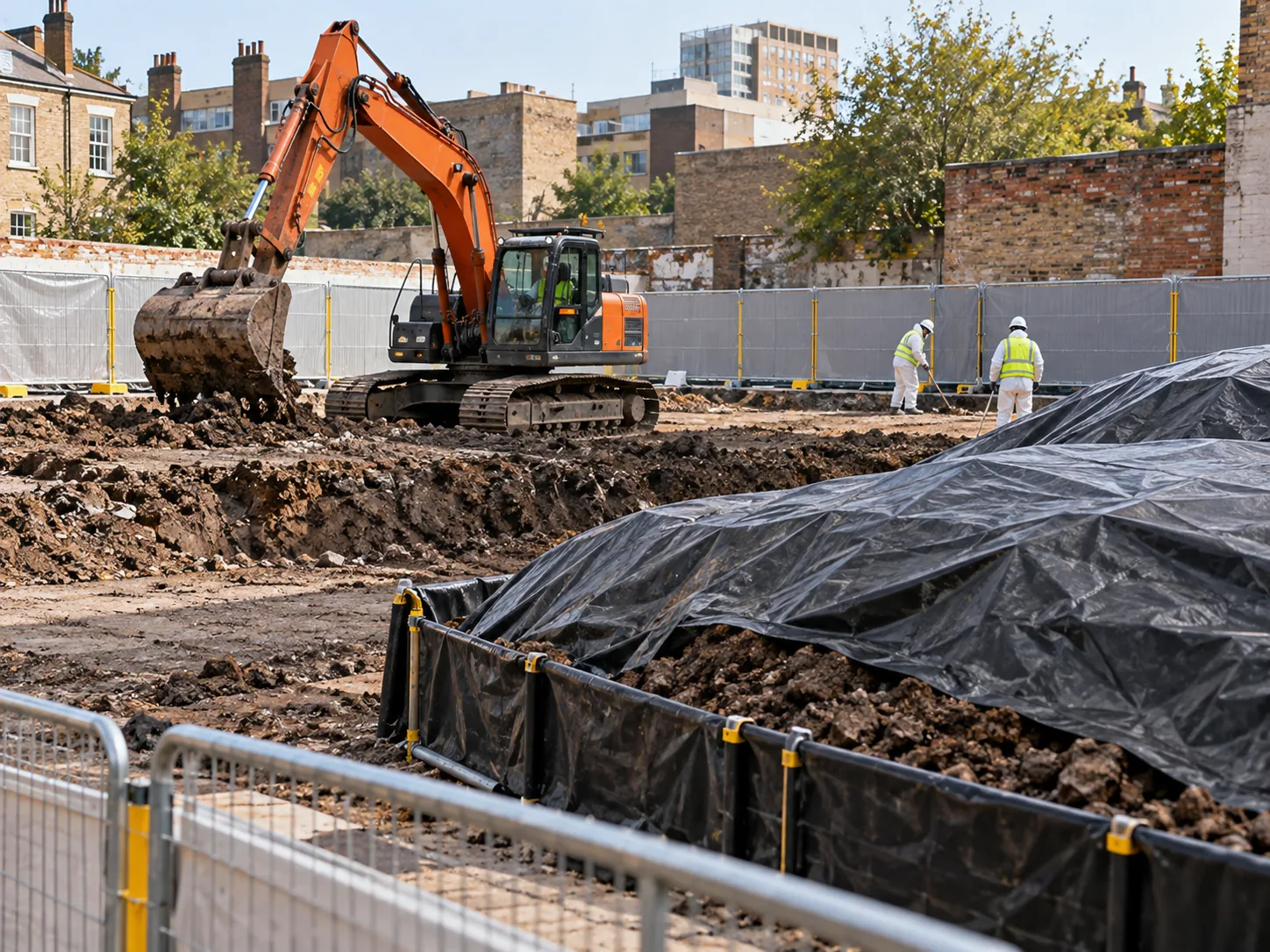
A machine operator sees suspect fragments in spoil or a trench. Tell us how much soil has been disturbed, where it has been placed and whether other trades are still working nearby.
ASBESTOS IN SOIL • LONDON & GREATER LONDON
Found asbestos in soil or made ground? Speak to us about assessing the affected area, asbestos-contaminated soil removal and a clear handover for your groundworks team.
ASBESTOS SOIL REMEDIATION LONDON
Call with your London postcode, any asbestos-in-soil result or ground investigation, the approximate affected area and the date your groundworks need to restart. If you have a site plan or report, attach it to the form.
LAND & SOIL
Asbestos-contaminated soil may be found in made ground, old fill, rubble or around a former outbuilding. A contractor may uncover fragments during a garden excavation, groundworks for an extension or the clearance of a development plot. The first question is where the suspect material lies and whether a report has identified it. The next is what your project needs to do with that area.
We can discuss an asbestos land remediation scope for a small plot or a larger London site. An initial call is useful even if the investigation is still under way. Tell us who controls the site, what activity has stopped, whether the material is visible in one area or appears across the excavation, and which trade is waiting. We can then identify the evidence needed for the removal plan and quote.
ASSESSMENT & SCOPE
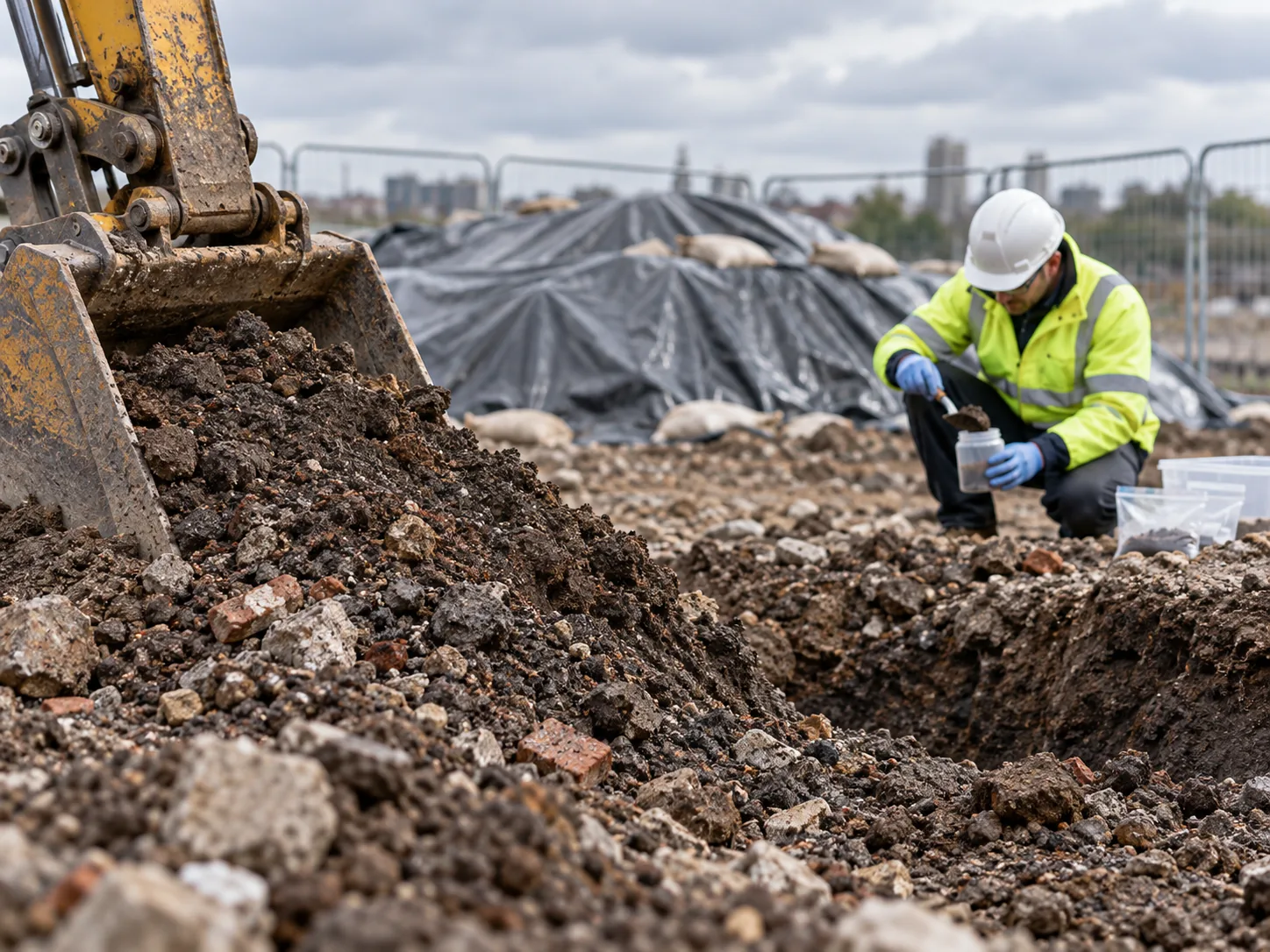
Asbestos in soil is not a single standard excavation job. The available investigation, site history, visible fragments and the proposed use of the land all affect the scope. A competent investigation may be needed to establish the extent, material type and other contaminants. A waste classification is also needed before soil leaves the site.
Send the existing ground investigation, asbestos sampling results, drawings and photographs taken from a safe position. If only one trial pit has shown suspect material, say so. If demolition rubble was spread across several areas, show those areas on a plan. This helps avoid pricing a small isolated patch as if it were the entire plot, or treating widespread contamination as a single bag of debris.
The method is agreed against the findings: it might involve segregating affected material, targeted excavation and removal, or another remediation strategy specified for the development. We will explain which part of the job we are quoting for and any survey, analyst or groundworks input needed alongside it.
WHO CALLS US
A machine operator sees suspect fragments in spoil or a trench. Tell us how much soil has been disturbed, where it has been placed and whether other trades are still working nearby.
A developer or principal contractor needs a priced scope tied to the report, plot plan, proposed levels and dates for follow-on foundations or services.
Rubble or suspected asbestos appears in a garden or beneath a former structure. Side access, shared boundaries and where spoil can be loaded often decide the practical approach.
CONTAMINATED SOIL REMOVAL
For asbestos contaminated soil removal, the plan must work on the actual site. A dense London street may restrict skip or lorry space; a rear garden may have only a narrow side passage; a commercial plot may have live neighbouring operations. The affected soil must be kept separate from clean material, and the agreed controls must account for dust, movement through the site and the way spoil leaves it.
Tell us about buried services, other hazardous materials identified in the report, access times, permits controlled by the site team and where plant can stand. If a demolition contractor or earthworks firm is already appointed, we can establish who is responsible for excavation, asbestos controls, loading and disposal. A clear division of work protects the programme and avoids a gap between contractors.
Send your soil report or site plan ↗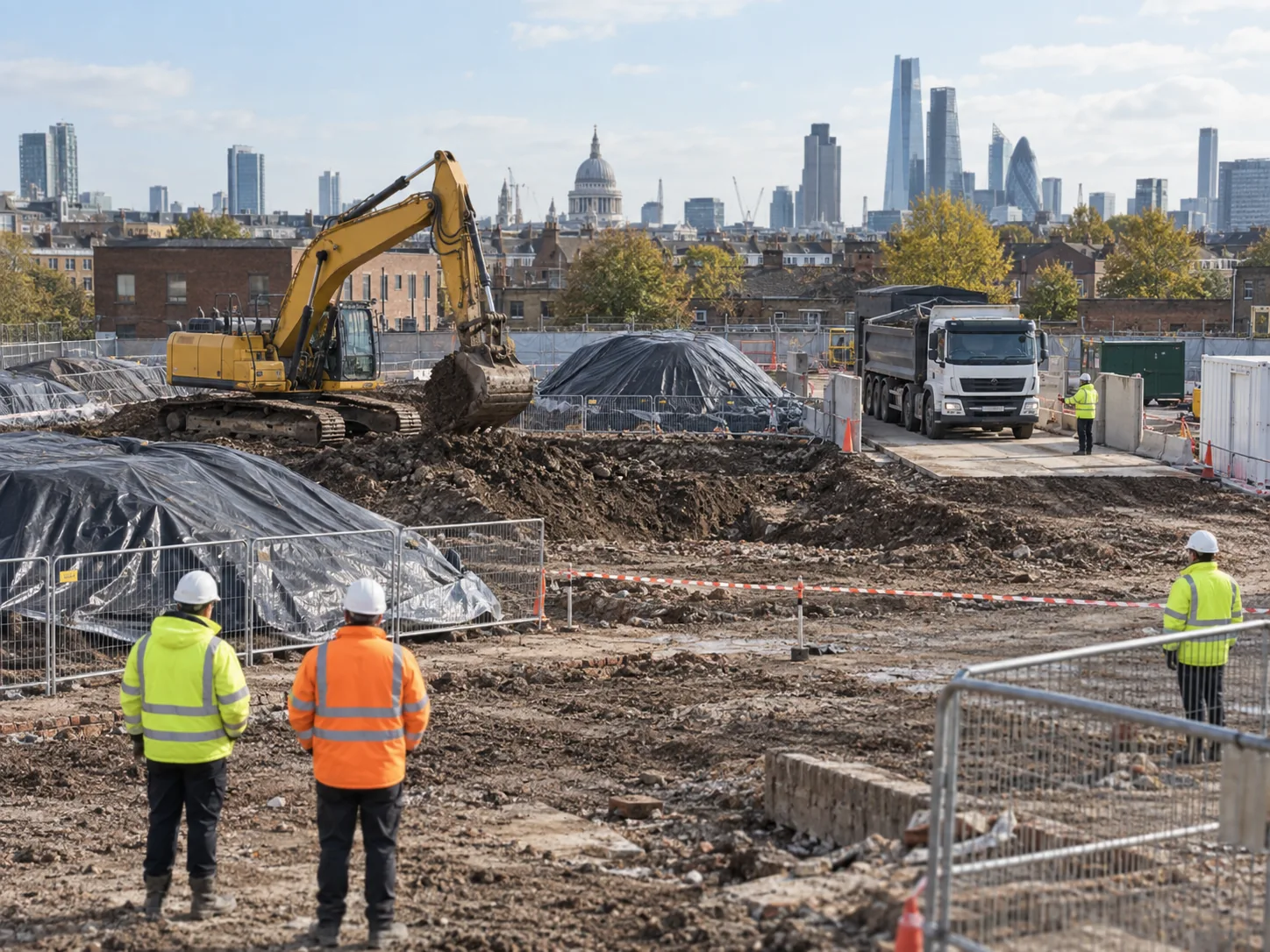
HANDOVER & RECORDS
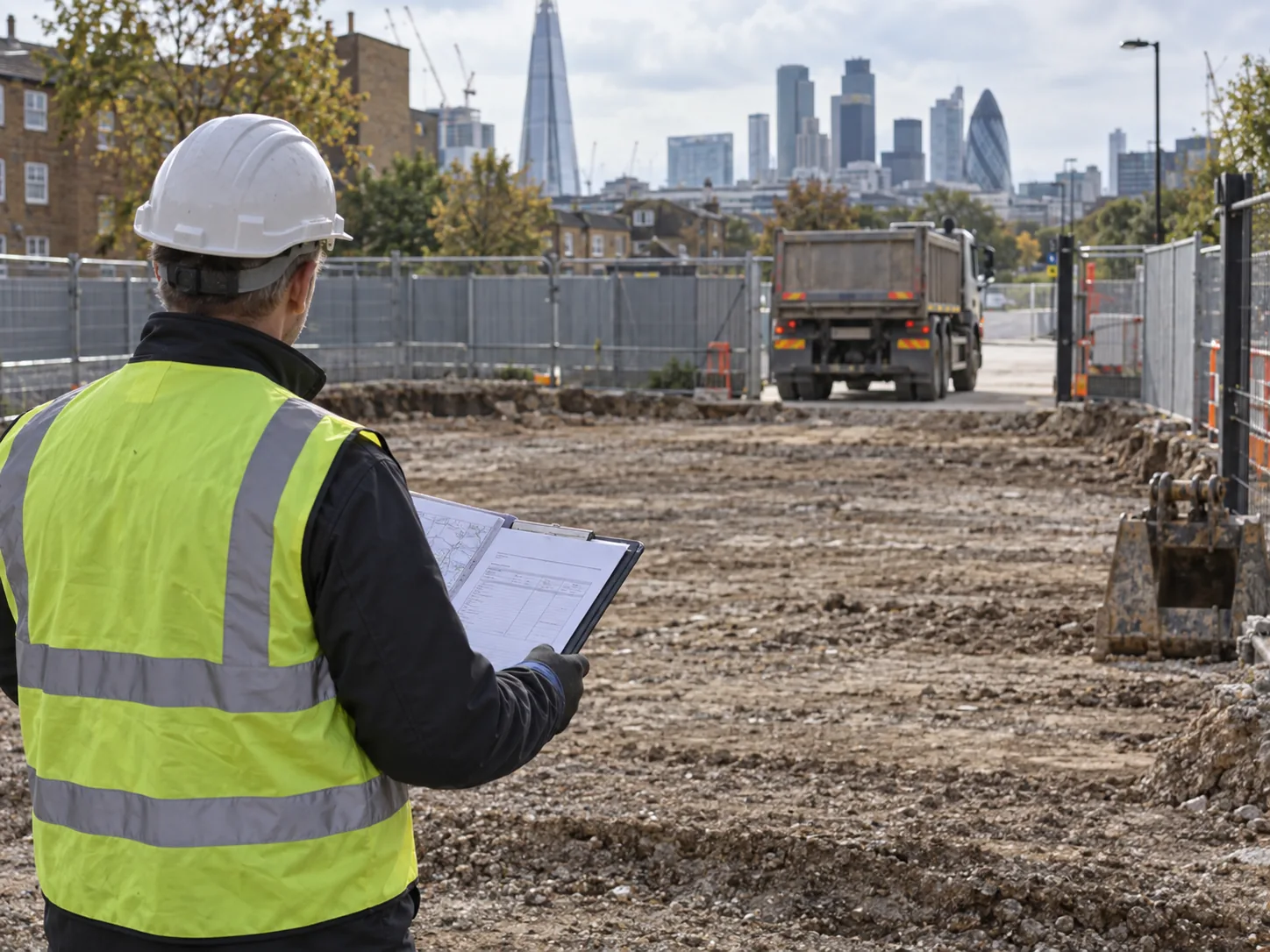
Where affected soil is removed, the project needs a defined end point. The agreed area, depth and waste route should be recorded so the client and groundworks team know what was done. Waste classification and consignment records should match the material that left the site. Any validation sampling, independent analyst input or wider remediation verification should be agreed in the project scope rather than assumed from a photograph of bare ground.
If your brief says contaminated land clearance, send the report so the asbestos element can be defined within that wider job. Other contaminants need to be considered in the broader land-remediation plan. We can discuss the asbestos element and how it sits with the site investigation, principal contractor and environmental consultant. Send us the documents you already have; there is no need to rewrite the report in the enquiry form.
WHAT TO SEND
1. Location: London postcode, site entrance and access for plant or a lorry.
2. Evidence: investigation report, sample result, survey, site plan or photographs taken safely.
3. Extent: suspected affected area and depth, number of locations and whether soil has already been stockpiled.
4. Programme: the date groundworks stopped and when the next contractor needs the area.
5. Scope: who is arranging excavation, independent testing, waste disposal and final project verification.
If you only have a discovery and an address, call anyway. We can talk through what information is missing before a firm scope is agreed. For investigation before deciding on removal, see asbestos soil testing London. For asbestos within a building, use our asbestos removal services page; for evidence before demolition or refurbishment, see asbestos surveys in London. Higher-risk building materials may require our licensed asbestos removal London service. We work across London and Greater London, including boroughs with garden plots, rail-side redevelopment, industrial yards and tight urban access.
FREQUENTLY ASKED QUESTIONS
Yes. Contact us about asbestos found in soil or made ground across London. Send the site location, any investigation report and the work programme so the correct removal or remediation scope can be discussed.
Pause work in the affected area and keep others away from the material. Do not screen, move or dispose of the soil as ordinary spoil. Send photographs taken safely and any existing survey or ground investigation information.
You can make an initial enquiry without one. We can discuss the site history, visible material and programme, but a reliable scope and waste route may need competent investigation, sampling and classification first.
No. The plan depends on what has been identified, where it is, the intended land use and the agreed remediation strategy. Segregation, targeted removal or another controlled approach may be considered after assessment.
The affected area should not be disturbed until the risk and work method have been assessed. Other work may be possible elsewhere if the site team can separate it safely under the project controls.
Send the report or sample result, site address, an approximate affected area and depth, photographs, access for plant and lorries, any other contaminants and the date your next trade needs the area.
The excavated material needs assessment and correct waste classification. The agreed route includes appropriate containment, a suitable carrier and receiving facility, with waste documentation retained for the project.
Yes. Enquiries can involve a garden, former garage base, demolition plot or larger construction site. The site size, access and evidence will determine what work is appropriate.
Call about the report, the affected area and the next trade waiting on site. We will help establish the right scope for the asbestos work.