KENSINGTON AND CHELSEA & NEARBY AREAS
Asbestos Removal Kensington and Chelsea
Asbestos removal across the Royal Borough of Kensington and Chelsea for private homes, managed buildings and refurbishment projects. We cover Kensington, Chelsea, North Kensington and surrounding borough locations. Send the relevant survey findings, proposed alterations and access contact so the removal can be considered alongside the building’s permissions and handover requirements.
FREE KENSINGTON AND CHELSEA QUOTE
Tell us about the job.
☎ 020 8088 0271Call with the postcode and what needs removing. A real person answers the phone. We normally reply within 30 minutes or less.
Plan the next stage of your Kensington and Chelsea project
Managed homes: establish who can approve each part of the work
A refurbishment in the borough can involve an owner, leaseholder, managing agent, designer and main contractor. Start by identifying the person commissioning removal and the person controlling common access. The flat itself, a shared service area and an external route may have different approval arrangements.
For a property around Kensington High Street or elsewhere in the borough, give the actual work entrance and floor. Explain any basement access, split levels, service lifts or shared stairs. A street address and room dimensions do not explain how the work area is reached.
If consent or building-management approval is outstanding, say so when discussing the programme. We can consider the findings while those arrangements are resolved, but a provisional date should not be treated as confirmation that every necessary permission and service isolation is in place.
Older buildings and later internal alterations
The borough has many conservation areas, but external character does not establish the composition of later internal materials. A decorative ceiling, floor layer or service enclosure may have been introduced during a different period of work. Base the enquiry on the survey and planned disturbance rather than the building’s appearance.
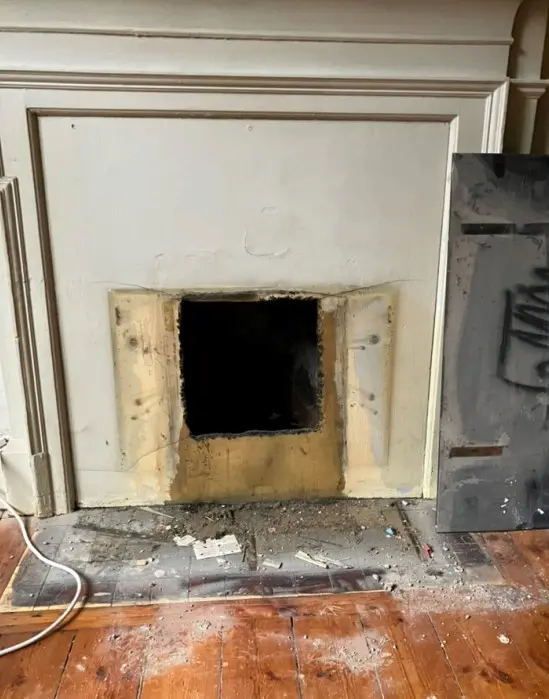
For asbestos AIB removal, provide the exact location and report wording, including adjoining construction the builder intends to retain. Many AIB tasks require licensed work. If services pass through the affected area, identify who arranges their isolation and how that relates to other occupiers.
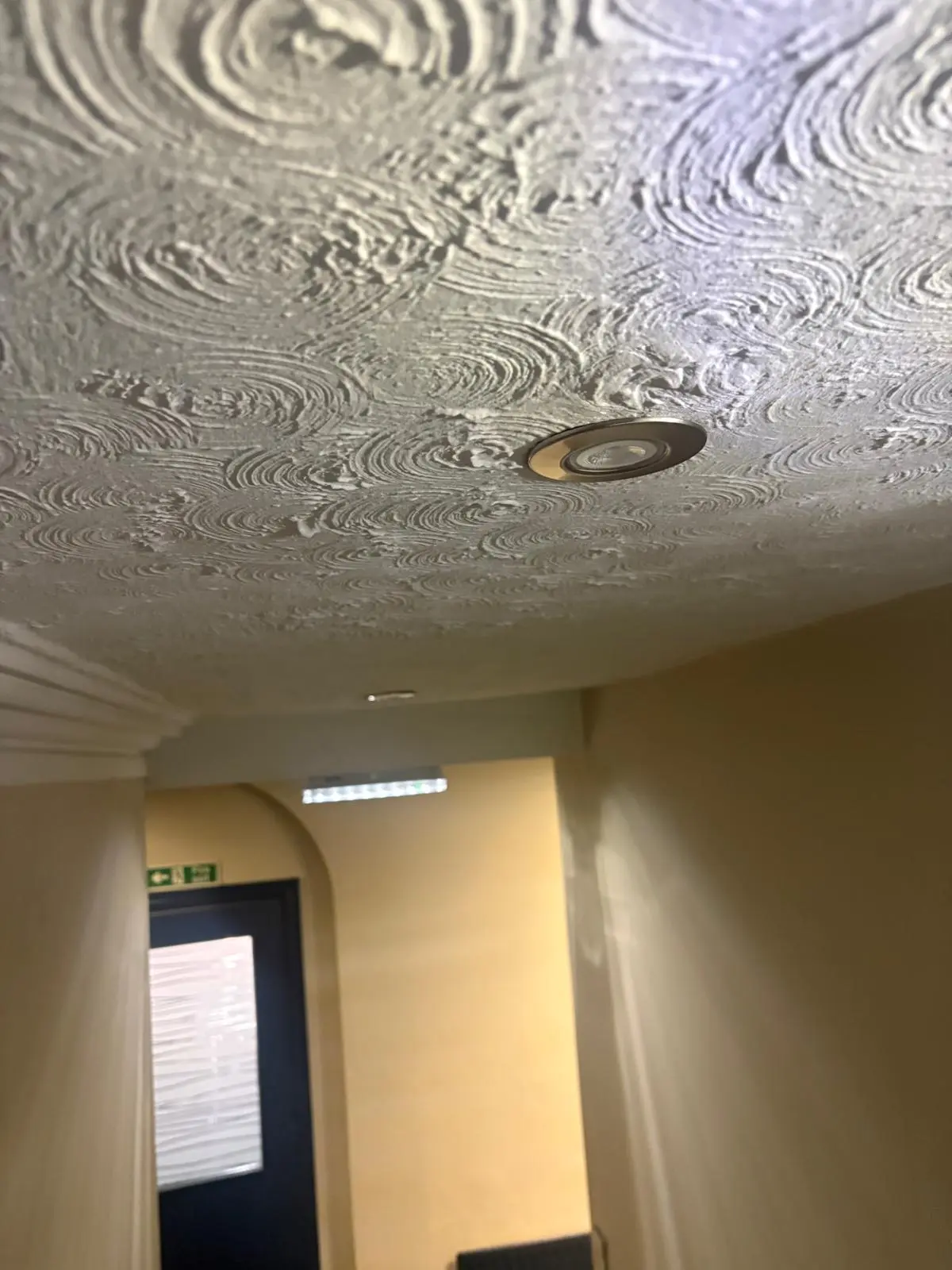
For asbestos Artex removal, distinguish the coating from the ceiling structure and decorative reinstatement. The designer or plasterer should know what surface will remain. Where the project must retain particular features, describe that requirement clearly so it can be assessed within the removal scope rather than assumed from photographs.
Retail, offices and homes in the same building
A Chelsea or Kensington commercial fit-out may sit below occupied accommodation or beside another business. Tell us which areas share entrances, services or circulation. The proposed work method needs to account for those relationships before trading or residential arrangements are confirmed.
Send the fit-out description with the asbestos findings. Removing a modern finish may lead to older layers that were not accessible during an earlier inspection. Keep survey restrictions visible where they affect the strip-out; they identify information to resolve, not a clear area by default.
For floor work, identify asbestos floor tile removal and any separately confirmed asbestos bitumen adhesive removal. Ask the new flooring contractor what they need after removal. Supplying a finished substrate, reinstating joinery and decorating are separate responsibilities unless they are expressly included in the proposal.
A borough enquiry with a precise handover
For several properties, use a separate schedule for each address and material. Similar-looking finishes in different buildings should not share an assumed result. The overall programme can be coordinated while maintaining clear access contacts, quantities and completion requirements at every site.
Ask the quotation to state preparation, removal extent, waste arrangements and the completion requirements applicable to the method. Where licensed asbestos removal is required, discuss the appointed contractor’s current licence details and planning requirements. Around 30 years of relevant industry experience supports our enquiries, without replacing the need for a property-specific scope.
Use the Kensington, Chelsea and North Kensington links for local coverage or contact us here for a wider borough project. Call 020 8088 0271 with the full postcode and the work being held up. Existing reports and drawings can follow through the free quote form; you do not need a complete design pack before speaking to the team.
Tell us what is holding up the work. Request your free quote or call 020 8088 0271.
YOUR QUESTIONS
Asbestos removal in Kensington and Chelsea: practical questions
Can a designer or managing agent request the quotation?
Yes. Identify the property, client and person authorised to approve access and work. Send the relevant findings alongside the proposed alterations. If several parties control common areas or services, name those responsibilities early so the programme does not depend on unconfirmed assumptions.
Does conservation-area status identify whether asbestos is present?
No. The appearance or designation of an area does not identify the composition of internal materials, including later alterations. Use survey or sampling evidence for the affected surfaces and explain what will be disturbed. Any permissions for the wider building project should be handled by the responsible project team.
Can existing decorative features be retained?
Describe exactly what must stay and where it meets the identified material. Drawings and existing photographs help communicate the requirement. Feasibility must be assessed for the construction and removal method; it should not be assumed from a general request to preserve the room’s appearance.
What if the only access is through a communal lobby?
Tell us who manages the lobby and how other occupiers use it. The equipment and waste routes need assessment with the proposed method. Building-specific bookings or permissions should be established before attendance, even if the removal itself is confined to one privately owned room.
Can you handle both residential and commercial entries in one report?
Yes. Keep each item tied to its unit, floor and planned disturbance. State which occupiers remain and which areas are vacant. A single report can support a coordinated enquiry, but the work boundaries and access arrangements still need to be defined for each part.
Will the room be fully reinstated after removal?
Only where reinstatement is agreed within the proposal. Ask what surface or structure remains and who repairs, replaces or decorates it. A clear handover description allows your builder, designer or flooring contractor to plan their stage without assuming asbestos removal includes a finished room.